
Wildlife & Ecology Spectroscopy
Spectroscopy provides powerful tools for studying how animals perceive light, display coloration, communicate, and interact with their environments. From ultraviolet vision in birds and insects to underwater light conditions in marine ecosystems, UV-Vis-NIR spectroscopy helps researchers characterize the optical properties of biological structures and natural habitats.
StellarNet spectrometers and optical measurement accessories support applications in animal vision, reflectance and transmission measurements, behavioral ecology, marine biology, conservation research, and habitat lighting. Portable instrumentation enables laboratory and field measurements across a wide range of ecological studies.
Featured Articles
Seeing Through Birds' Eyes: Spectroscopy for Bird-Strike Prevention
Researchers have used StellarNet BLACK-Comet spectroradiometers to study how birds perceive aircraft colors and warning lights. By measuring spectral reflectance and illumination, scientists can evaluate visual contrast from an avian perspective and investigate strategies for reducing bird–aircraft collisions.
Marine & Reef Ecology
When Night Is No Longer Dark: Light Pollution and Oyster Biology
Scientists at the University of Bordeaux used a StellarNet BLUE-Wave UVN-100 spectroradiometer to characterize artificial nighttime lighting in experiments with Pacific oysters. Their research showed that even low levels of nighttime illumination could disrupt daily activity and molecular rhythms, revealing an important environmental threat to coastal ecosystems.
The Science of Warning Colors: How Poison Frogs See and Signal
Brilliantly colored poison frogs use visual signals in mate selection and predator interactions. Research using StellarNet spectroscopy has quantified frog skin reflectance to investigate how color signals influence communication and survival. These measurements help connect the physical properties of coloration with the visual systems of frogs and their predators.
Customer Research & Publications
Why Turtle Safe Lighting Matters for Sea Turtle Survival + An Interview with FWC Experts
Why Turtle Safe Lighting Matters for Sea Turtle Survival + An Interview with FWC Experts Artificial lighting along coastlines is a well-documented threat to sea turtle populations. Species such as...
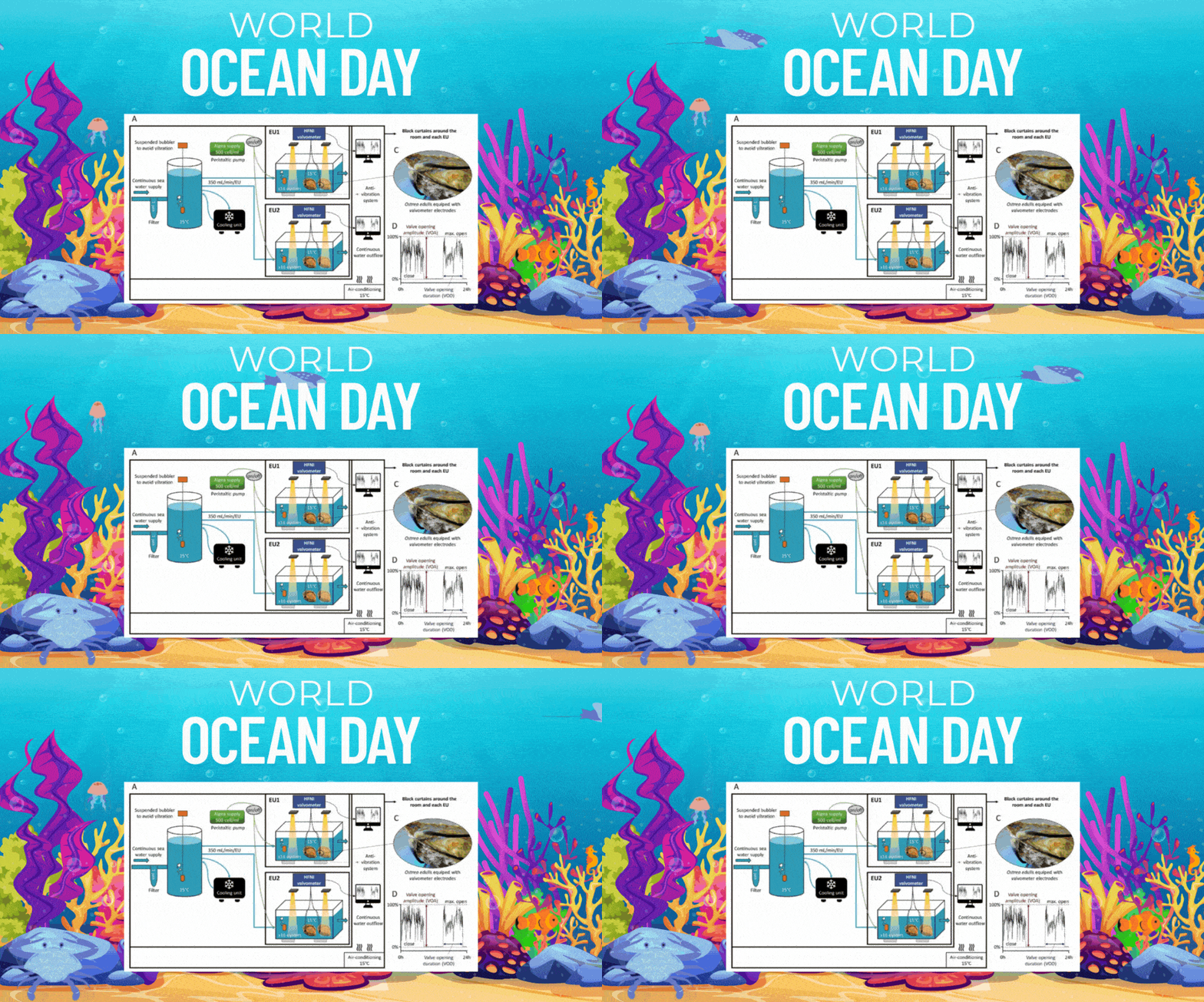
World Ocean Day: Characterization of the daily and circadian valve behavior of the European flat oyster Ostrea edulis
Alexandre Le Moal, Damien Tran, Laura Payton, Bernadette Pogoda, Bettina Meyer 29 April 2025 Abstract Marine organisms exhibit a multitude of biological rhythms synchronized with the interactions...
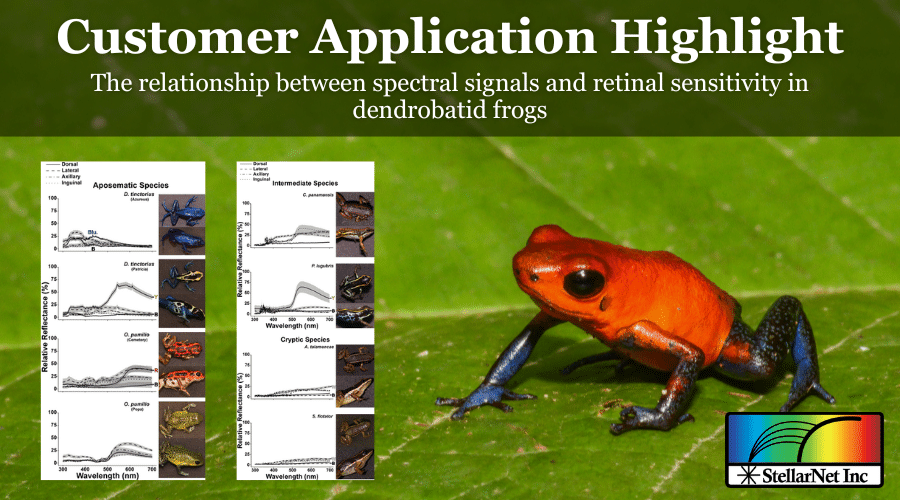
The relationship between spectral signals and retinal sensitivity in dendrobatid frogs
Whitney G. Walkowski ,Corinne L. Richards-Zawacki,William C. Gordon,Nicolas G. Bazan,Hamilton E. Farris Published: November 14, 2024 | Louisiana State University Health Science Center, Smithsonian...
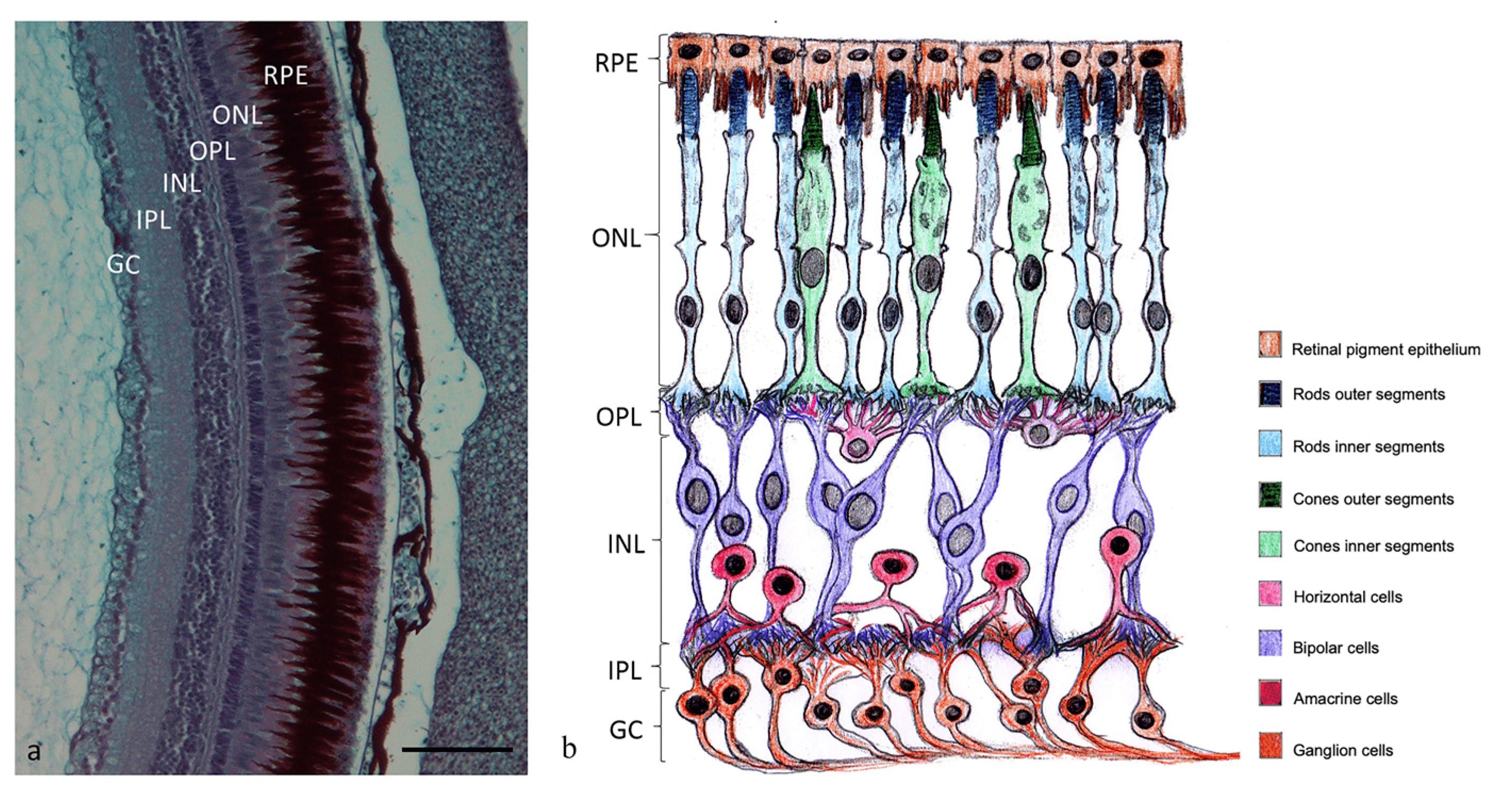
Potential Neuroprotective Role of Calretinin-N18 and Calbindin-D28k in the Retina of Adult Zebrafish Exposed to Different Wavelength Lights
Caterina Porcino, Marilena Briglia, Marialuisa Aragona, Kamel Mhalhel, Rosaria Laurà, Maria Levanti, Francesco Abbate, Giuseppe Montalbano, Germana Germanà, Eugenia Rita Lauriano, Alessandro Meduri,...
Sinusoidal analysis reveals a non-linear and dopamine-dependent relationship between ambient illumination and motor activity in larval zebrafish
Alexander H.Burton, Qing Bai, Edward A.Burton Abstract Larval zebrafish show stereotyped motor responses to changes in ambient illumination. The responses can be evaluated in 96-well plates, and are...
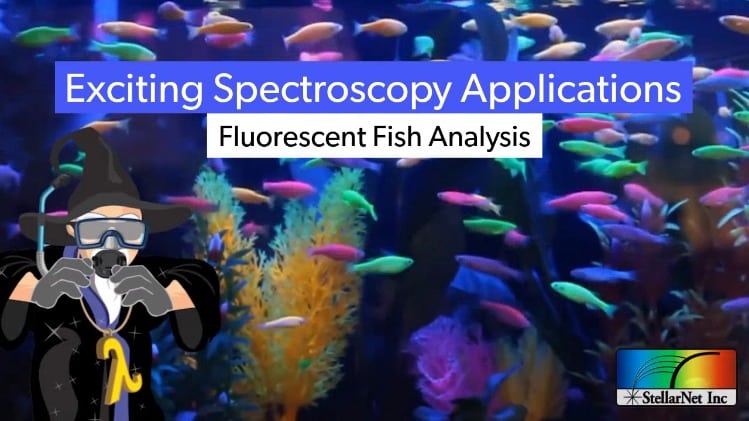
Fluorescent Fish Analysis – Exciting Spectroscopy
Ever have a relaxing weekend with plenty of rest, and when you return to work someone tells you, "you're glowing!"? Not in the literal sense, but if you say that to a glow fish it has a whole new...
Customer Spotlight – Zoological Lighting Institute
The Zoological Lighting Institute maintains a mission to support photobiology research for animal husbandry and wildlife conservation purposes. “Animal care depends on good science, and good science...
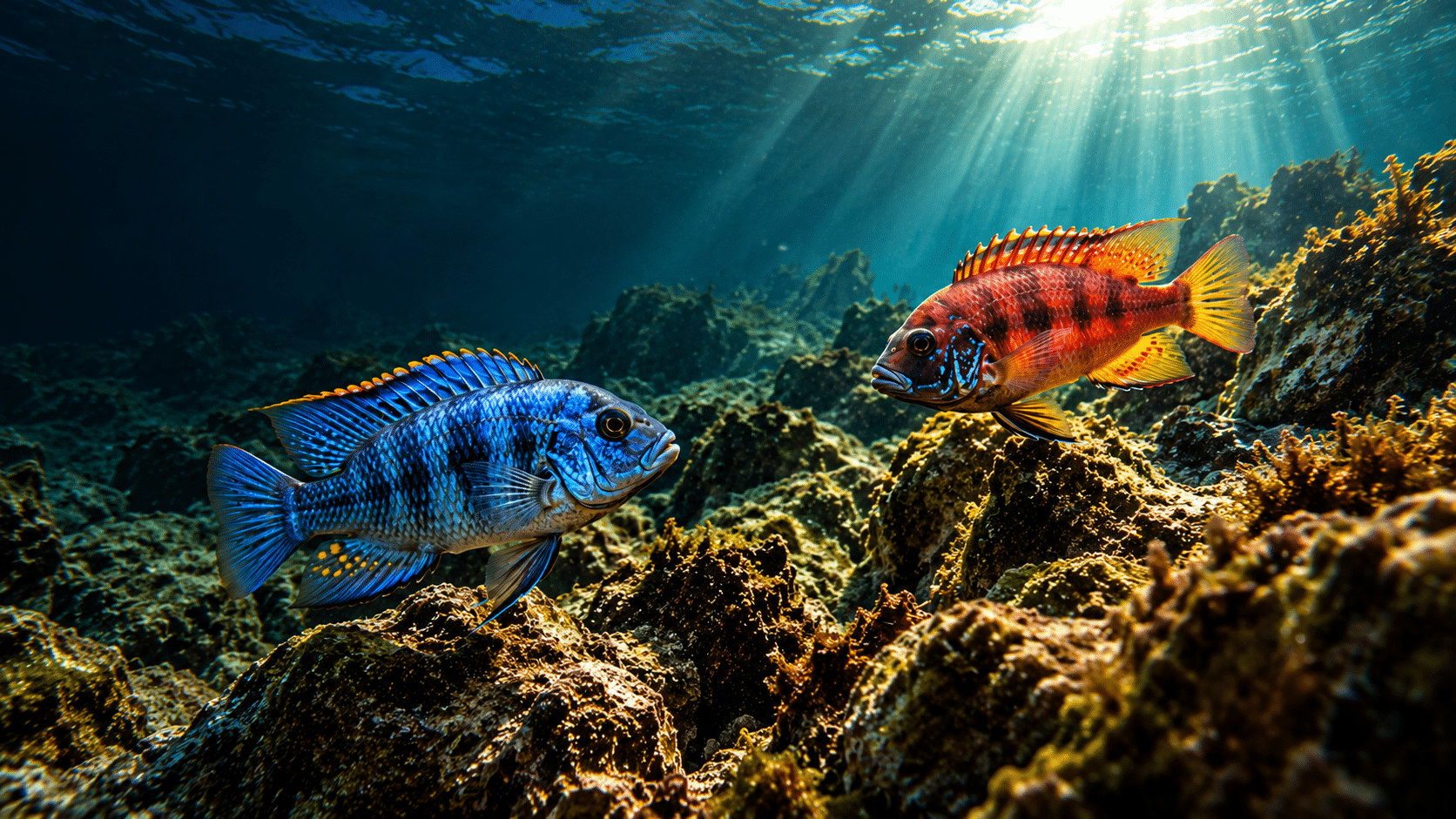
Developmental effects of visual environment on species-assortative mating preferences in Lake Victoria cichlid fish
DS Wright, N Demandt, JT Alkema, O Seehausen… - Journal of Evolutionary …, 2016 Local adaptation can be a potent force in speciation, with environmental heterogeneity leading to niche specialization...
Stabilising survival selection on pre‐senescent expression of a sexual ornament followed by a terminal decline
MJP Simons, M Briga, S Verhulst - Journal of Evolutionary Biology, 2016 Senescence is a decrease in functional capacity, increasing mortality rate with age. Sexual signals indicate functional...
Spectroscopy Applications
Food Safety & Quality
Advanced & quantum materials
Thin Films & Optical Coatings
Pharmaceuticals & Nutraceuticals
Biomedical & Life Sciences
Environmental & Microplastics
Industrial & Process Analysis
Lighting, Displays & Radiometry
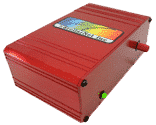
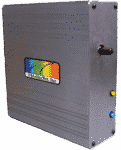
Recommended Wildlife & Ecology Spectrometers
Learn More
Explore spectroscopy and optical measurement for wildlife and ecology through practical guides, application notes, videos, technical resources, and real-world research. Learn how spectroscopy is used to study animal vision, coloration, camouflage, behavioral ecology, habitat conditions, and conservation, with applications spanning birds, marine and reef ecosystems, reptiles, amphibians, and zoo wildlife. These Learning Centers provide practical resources to help researchers, conservationists, educators, and students understand spectral measurements and apply spectroscopy to the study and protection of wildlife and natural ecosystems.
-
Spectroscopy Guides & Tutorials — Learn the fundamentals of spectral reflectance, irradiance, radiance, color measurement, calibration, and practical techniques for wildlife and ecological research.
-
Application Notes & Research — Explore real-world applications of spectroscopy in animal vision, coloration, camouflage, behavioral ecology, habitat monitoring, and wildlife conservation, including studies of birds, marine life, reptiles, and amphibians.
-
Videos, Labs & Technical Resources — Explore spectroscopy demonstrations, educational labs, software resources, experiments, and practical measurement techniques for studying wildlife and natural ecosystems.